Dry, flaky skin after every shower? You’re not imagining it. Most commercial body washes strip your lipid barrier with sulfates disguised as “lather.” The result? Tightness, irritation, and that post-bath itch that never quits. The fix isn’t another $40 moisturizer—it’s returning oil to where it belongs: your bathwater.
The Myth of Post-Shower Moisturizing
Slathering lotion on damp skin feels like care. But it’s damage control—not prevention. Water evaporates fast. And most lotions? They’re 70% water themselves—fillers with a whisper of actives. By the time you towel off, your skin’s already lost critical hydration. Oil-infused baths work differently. They form a hydrophobic shield during cleansing—not after. No evaporation gap. No emergency repair needed.
And here’s what no one tells you: cold-process soaps and foaming gels raise skin pH to 9 or higher. Healthy skin thrives at 4.5–5.5. That imbalance invites microbes, inflammation, and accelerated aging. Bath oils buffer pH naturally—especially when formulated with plant-based fatty acids.
bath and body home page Ritual: A Step-by-Step Guide
Forget dumping a capful into the tub and calling it a day. Precision matters. Here’s how to engineer a soak that actually repairs your barrier:
Select Your Oil Base Wisely
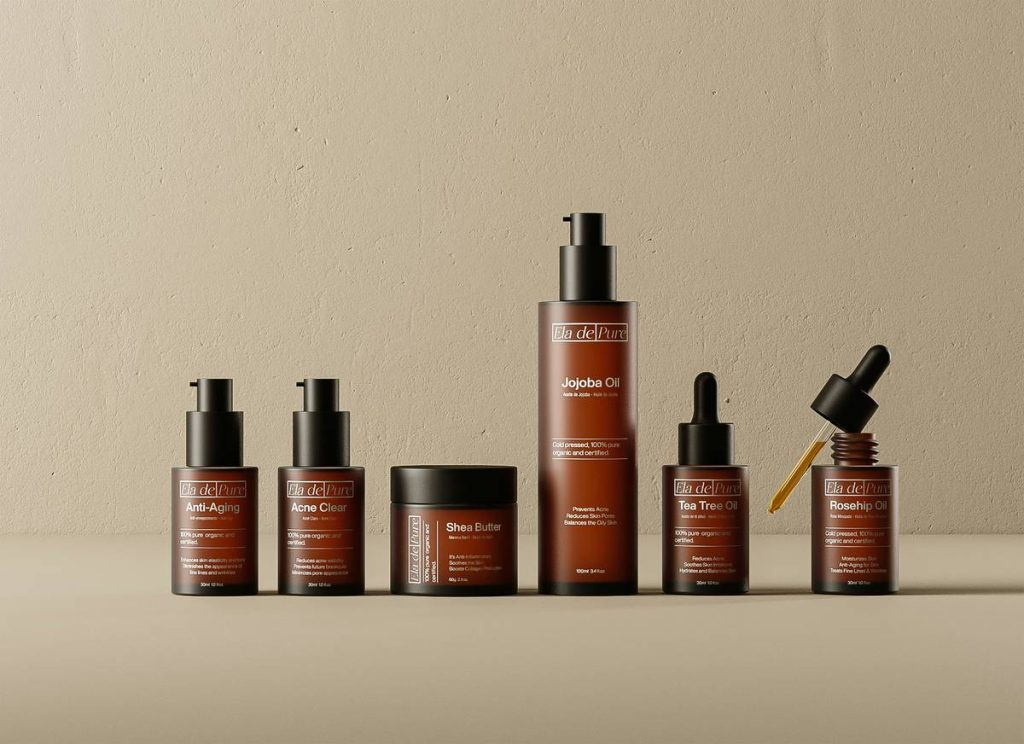
Not all oils behave the same in water. Jojoba mimics sebum—ideal for acne-prone skin. Sweet almond absorbs fast but offers light protection. For eczema or winter dryness? Go heavy: avocado or argan. The rule? Match oil viscosity to your skin’s current state—not your wish list.
Emulsify Like a Chemist
Pure oil floats. It won’t coat your skin evenly. Add one teaspoon of polysorbate 80 (food-grade emulsifier) per ounce of oil. This binds oil to water molecules so every inch gets coverage. Skip this—and you’re just washing in oily puddles.
Time & Temperature Are Non-Negotiable
Hot water opens pores but vaporizes moisture instantly. Keep bath temps below 100°F (38°C). Soak 15–20 minutes max. Longer weakens the stratum corneum. Yes—even with oil present.
| Oil Type | Best For | Absorption Speed | Critical Additive |
|---|---|---|---|
| Jojoba | Oily / Acne-Prone | Medium | Vitamin E (0.5%) |
| Sweet Almond | Normal / Sensitive | Fast | Bisabolol (1%) |
| Avocado | Dry / Mature | Slow | Lecithin (2%) |
| Argan | Dehydrated / Compromised Barrier | Medium-Slow | Ferulic Acid (0.3%) |

The Industry Secret: Cold Infusion Beats Essential Oils
Most brands tout lavender or eucalyptus essential oils for “aromatherapy benefits.” Reality check: undiluted EOs in baths can cause phototoxicity or contact dermatitis—especially citrus blends. The smarter play? Cold-infuse dried botanicals directly into carrier oils for 4–6 weeks. Calendula petals in sunflower oil yield anti-inflammatory compounds without volatility. Rosemary leaves in olive oil release rosmarinic acid—a proven barrier enhancer. No steam distillation. No synthetic solvents. Just slow, enzymatic extraction that preserves phytonutrients heat would destroy. Big skincare avoids this method—it’s too slow for quarterly earnings reports.
Frequently Asked Questions
Can bath oils clog drains?
Only if you skip emulsifiers. With polysorbate 80, oil disperses into micelles—too tiny to accumulate. Flush monthly with hot water and baking soda as maintenance.
Are bath oils safe for sensitive skin?
Yes—if you avoid fragrance allergens. Use unscented base oils infused with chamomile or oat kernel. Patch test first. Never use “fragrance” or “parfum” on compromised skin.
How often should I use a bath oil?
2–3 times weekly suffices for most. Daily use may oversaturate the barrier, reducing its natural lipid production. Listen to your skin—not Instagram routines.