You bought the fancy bottles. You followed the Pinterest recipe. Yet your DIY bath oil left a greasy ring, irritated your skin, or—worst of all—smelled like nothing after five minutes. The promise of relaxation evaporated faster than the essential oils themselves. Here’s the fix: a precise, science-backed method to make aromatherapy bath oil that stays stable, feels luxurious, and delivers real scent therapy from start to finish.
Why Most Homemade Aromatherapy Bath Oils Fail
Water and oil don’t mix. Ever. And essential oils? They’re volatile. Toss them straight into bathwater with a carrier oil, and you’ve created a slick hazard—not a soothing soak.
Commercial products use solubilizers and emulsifiers for a reason. Skip those, and your beautiful lavender blend just floats on the surface like an oily slick while the therapeutic aroma vanishes before you’ve even sunk in.
And here’s the kicker: many DIY guides ignore skin safety. Undiluted essential oils applied directly—even in water—can trigger photosensitivity or contact dermatitis. Not exactly spa vibes.
How to Make Aromatherapy Bath Oil: A Foolproof Method
Forget “just mix and pour.” Real efficacy comes from structure. This method uses a dual-phase system—oil-soluble carriers plus a natural dispersant—to ensure even distribution, skin compatibility, and lasting fragrance release.
Selecting Your Base Oils
Not all carrier oils are equal in the tub. Jojoba mimics skin sebum—ideal for sensitive types. Fractionated coconut oil stays liquid and absorbs cleanly. Sweet almond offers slip without residue. Avoid heavy oils like avocado or olive—they coat rather than nourish in water.
Essential Oil Ratios That Are Safe & Effective
The golden rule: never exceed 2% total essential oil concentration in your final bath. For a standard 1-cup (240ml) bath dose, that’s no more than 96 drops total. But spread it across complementary notes—top (citrus), middle (floral/herbal), base (woody/resinous)—for depth that evolves as you soak.
The Secret Ingredient: Polysorbate 80 (or Natural Alternative)
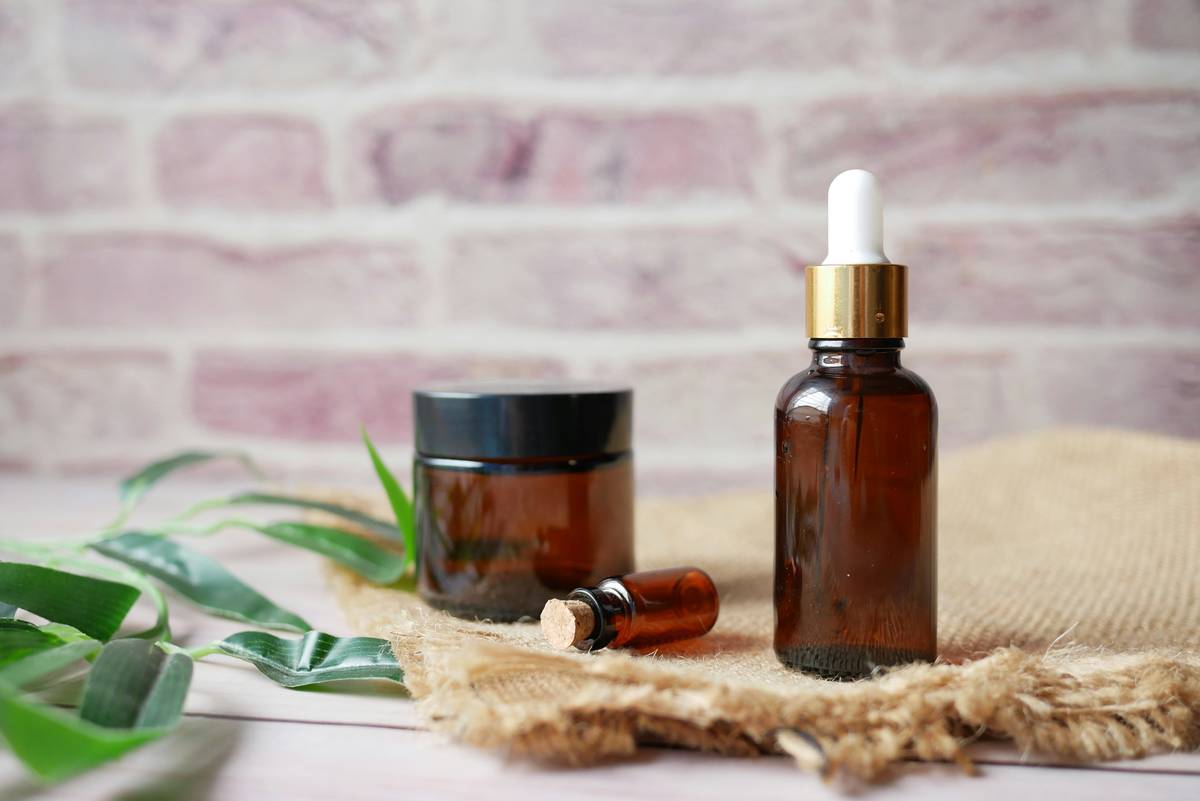
This is where most fail. To bind oil to water, you need an emulsifier. Polysorbate 80 is lab-tested and GRAS (Generally Recognized As Safe) for bath use at 1:1 ratio with your essential oils. Prefer plant-based? Use lecithin—but expect cloudier water and slightly reduced dispersion.
| Method | Cost (Per 4 oz) | Dispersion Quality | Skin Feel | Shelf Life |
|---|---|---|---|---|
| Oil + Essential Oils Only | $2.50 | Poor (floats/slicks) | Greasy residue | 6 months |
| With Polysorbate 80 | $3.75 | Excellent (even mist) | Light, non-greasy | 12+ months |
| With Sunflower Lecithin | $4.20 | Good (slight cloudiness) | Smooth, nourishing | 8 months (refrigerate) |
Final Assembly Protocol
Combine ½ cup carrier oil + essential oils (max 96 drops total) + equal parts polysorbate 80 in a dark glass bottle. Shake vigorously for 60 seconds. Let rest 24 hours before first use—this allows full binding. Add 1–2 tablespoons per full bathtub under running warm water to activate dispersion.

The Spa Industry’s Hidden Formula (They Don’t Want You to Know)
High-end spas don’t rely on single-note blends. Their secret? Pre-diluted “aroma concentrates” stored separately. They mix three pre-made 10% essential oil solutions—one each for top, middle, and base notes—and blend them fresh per guest preference. Why? Stability and customization.
Think about it: citrus oils oxidize fast. If you premix lemon into your entire batch, it turns rancid in weeks. But keep it isolated in a small concentrate? You control degradation. Plus, you can tweak ratios on demand—more ylang-ylang for stress, extra vetiver for grounding—without wasting product.
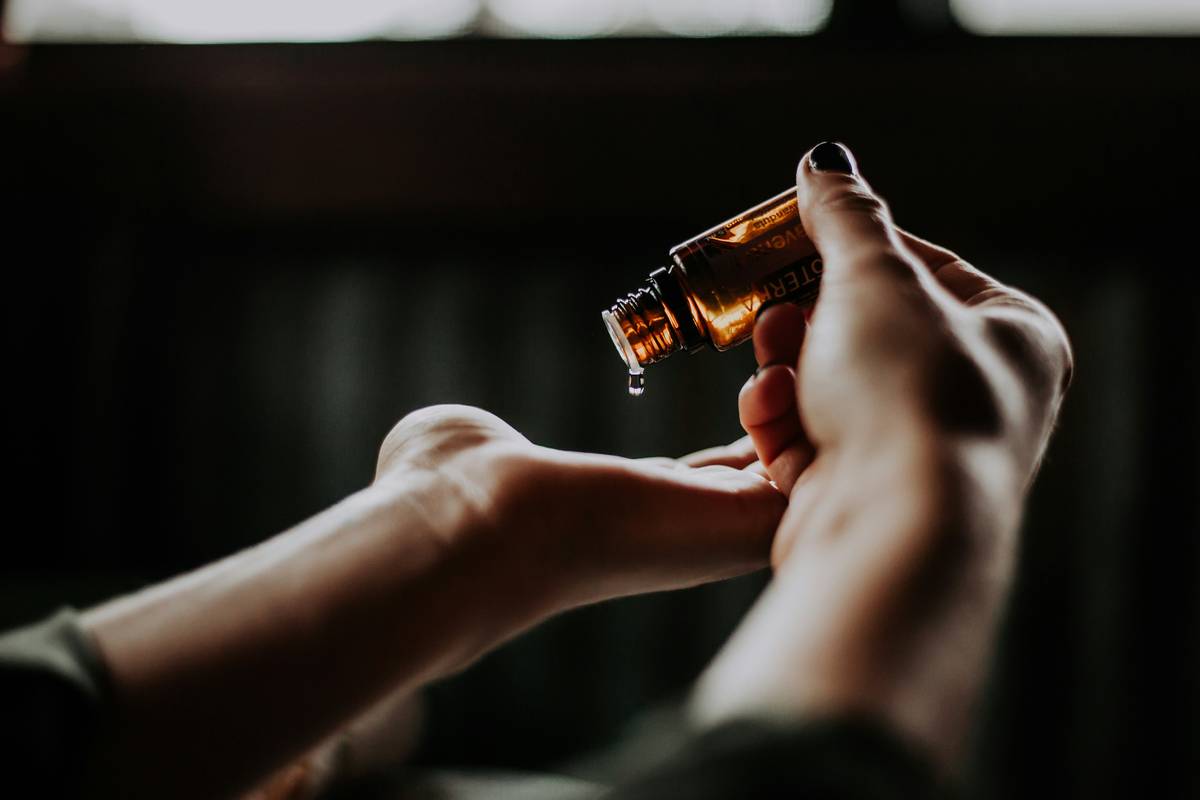
Try this at home: make three 30ml vials at 10% dilution (3ml essential oil + 27ml jojoba). Label them “Top,” “Middle,” “Base.” When ready to bathe, combine 1 tsp from each into your emulsifier-oil base. Instant bespoke therapy—and double the shelf life.
Frequently Asked Questions
Can I use regular cooking oil for aromatherapy bath oil?
No. Olive, canola, or vegetable oils oxidize quickly in water, feel heavy on skin, and lack cosmetic-grade purity. Stick to refined, cold-pressed carrier oils like jojoba or fractionated coconut.
How much aromatherapy bath oil should I add per bath?
Start with 1 tablespoon (15ml). If using proper emulsification, you can safely go up to 2 tbsp. Never dump undiluted essential oils directly into bathwater—that’s a burn risk.
Does homemade aromatherapy bath oil expire?
Yes. Without preservatives, most last 6–12 months. Store in cool, dark places. If oil smells rancid or changes color, discard it immediately—oxidized oils can sensitize skin.