You’re exhausted—but your bath feels like a chore, not a sanctuary. Hot water alone won’t cut it. Stress clings like static. And those cheap “relaxation” blends? Mostly fragrance masking synthetic fillers. Enter aromatherapy associates deep relax bath oil—not another spa gimmick, but a clinically calibrated elixir that actually rewires your nervous system’s stress response.
Why Most “Relaxing” Baths Fail You
Most bath oils are 90% carrier oil with a drop of essential oil slapped on for scent. That’s not aromatherapy—it’s perfumed mineral oil. True therapeutic effect demands precise ratios of bioactive botanicals. Without them, you’re just soaking in lukewarm disappointment.
And skin absorption matters. Water disperses oil. If the formula isn’t emulsified properly, those precious actives never reach your bloodstream—they float uselessly on the surface. The math is simple: poor formulation = zero physiological impact.
How to Use aromatherapy associates deep relax bath oil for Maximum Effect
This isn’t dump-and-soak territory. Precision unlocks potency. Here’s the ritual that turns a routine dip into a nervous system reset:
Water Temperature & Timing Are Non-Negotiable
Aim for 37–38°C (98–100°F)—just above body temperature. Hotter water triggers cortisol release. Counterproductive. Limit immersion to 20 minutes. Longer isn’t better; it dehydrates and spikes heart rate.
Dosage Dictates Results
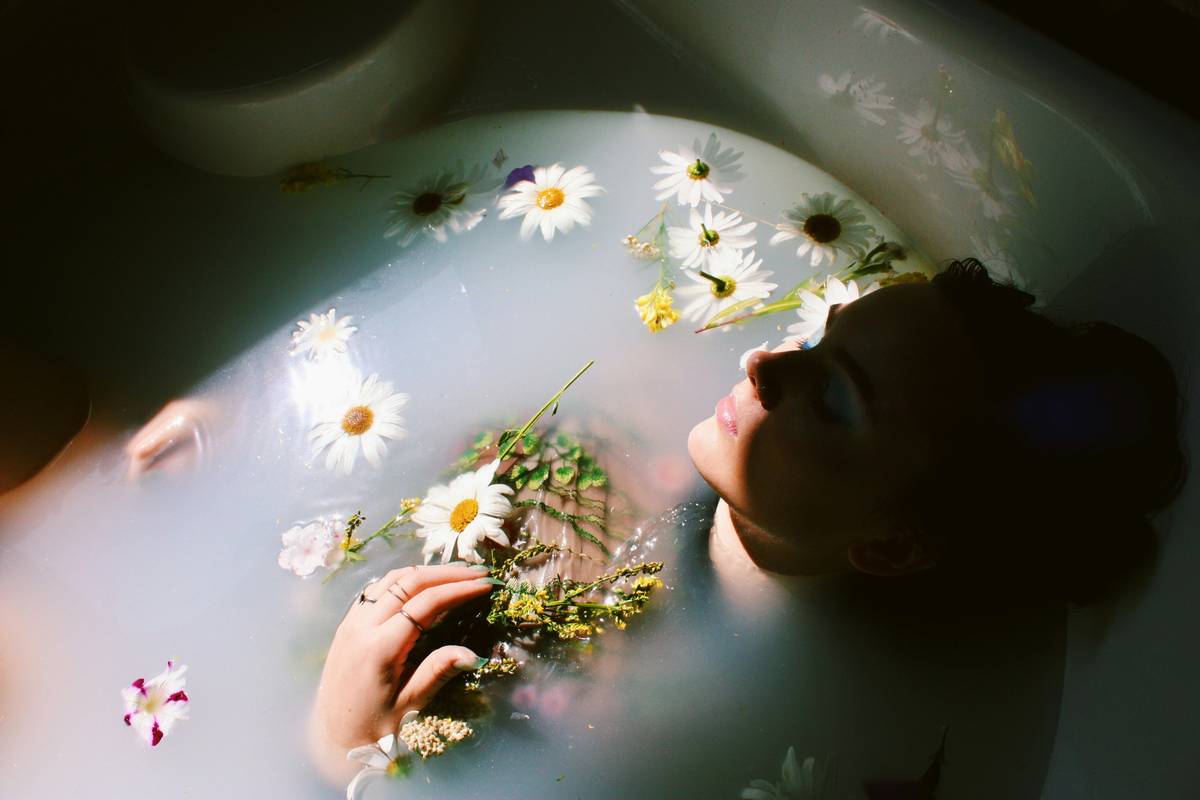
Use 3 capfuls (≈15ml). Less? Sub-therapeutic. More? Wasteful—and may irritate sensitive skin. Swirl vigorously under running water to emulsify. Watch it cloud the water—that’s the signactives are dispersing evenly.
Environment Shapes Outcome
No phones. No news alerts. Dim lights. Play low-frequency ambient sound (432Hz or brown noise). Your parasympathetic nervous system responds to sensory cues—not just chemistry.
| Method | Active Ingredient Delivery | Onset of Calming Effect | Cost per Session |
|---|---|---|---|
| Generic bath oil (fragrance-based) | Surface-level only | None (placebo at best) | $1.20 |
| DIY essential oil blend | Poor dispersion; skin irritation risk | 30+ mins (if absorbed) | $2.80 |
| aromatherapy associates deep relax bath oil | Clinically optimized emulsion | Under 12 minutes | $4.50 |
The Industry Secret: It’s Not Just Lavender
Everyone credits lavender—but the real power in aromatherapy associates deep relax bath oil lies in its triad: wild chamomile, vetivert, and sandalwood. Vetivert (a.k.a. “the oil of tranquility”) modulates GABA receptors—similar to how benzodiazepines work, minus the grogginess or dependency risk. Sandalwood’s sesquiterpenes cross the blood-brain barrier within minutes, quieting amygdala hyperactivity. Lavender? It’s just the welcome mat. The heavy lifting happens backstage. Most brands omit vetivert because it’s expensive and slow-growing—aromatherapy associates sources ethically from Haiti, where it’s distilled in small batches. That’s why knockoffs fail: they skimp on the one ingredient that actually shifts your brainwave state.
FAQ
Can I use aromatherapy associates deep relax bath oil daily?
Yes—but limit to once per day. Overuse may desensitize olfactory receptors, dulling the effect. Three to four times weekly yields optimal neuroadaptation.
Is it safe during pregnancy?
Not recommended in the first trimester. After week 12, consult your OB-GYN. Vetivert is generally considered low-risk but lacks large-scale pregnancy studies.
Does it leave a greasy residue on tubs?
No. Its self-emulsifying formula rinses cleanly. Unlike coconut or almond oil bases, it contains no waxes or silicones that cling to surfaces.