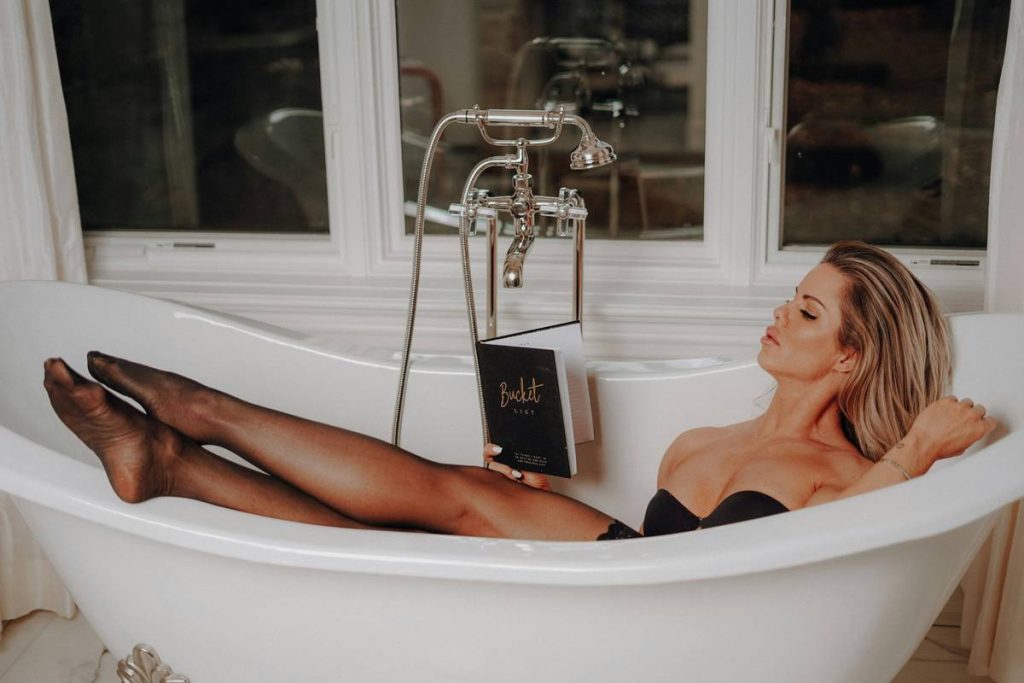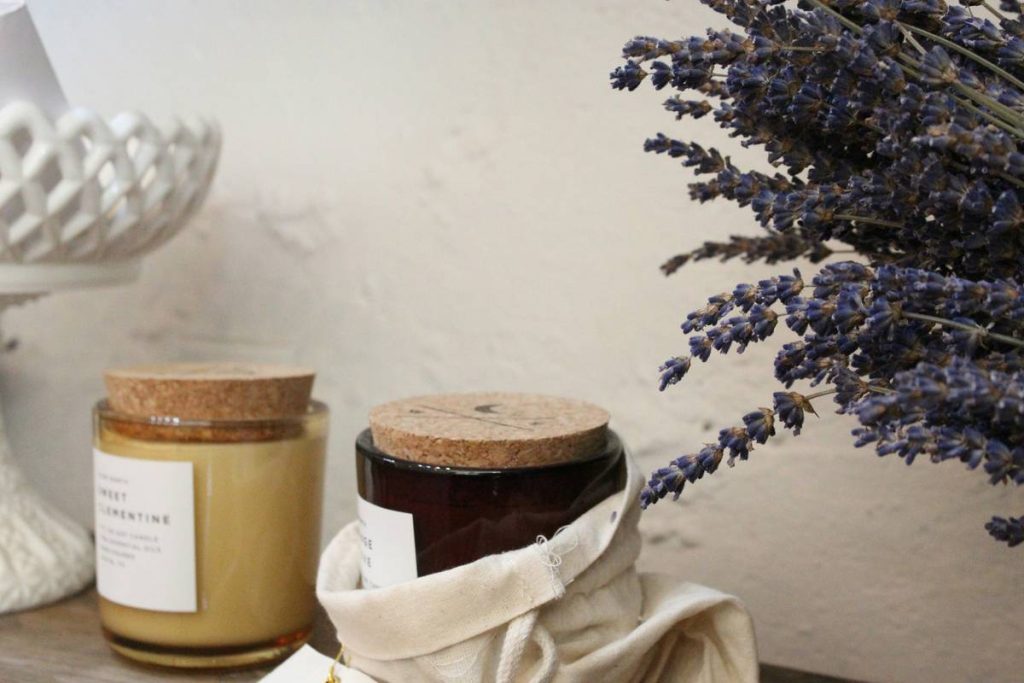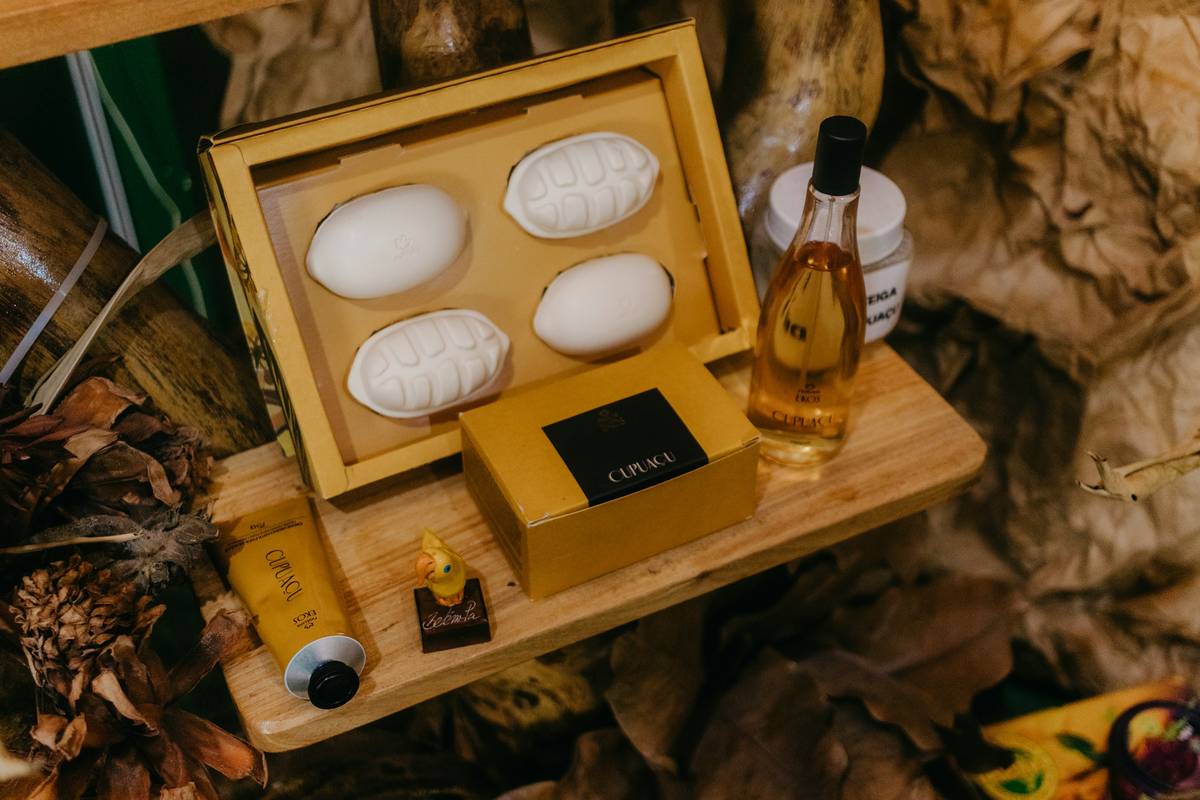
You pour in the aromatherapy bath and shower oil, light a candle, close your eyes… and still feel wired. Tense. Unrelaxed. The promise of spa-level calm never arrives. You’re not imagining it—most commercial blends are diluted, misformulated, or applied all wrong. And that defeats the entire point.
The Core Problem: Why Store-Bought “Luxury” Oils Fail
Big brands market thick, amber-hued liquids as indulgent elixirs—but many contain mineral oil, synthetic fragrances, or barely trace amounts of essential oils. They smell nice for 30 seconds. Then? Nothing. Zero therapeutic benefit. Worse, they sit on the water’s surface like grease on soup—never dispersing into your skin where the magic happens.
Real aromatherapy isn’t about scent alone. It’s about bioactive compounds interacting with your nervous system. If your oil doesn’t emulsify properly or uses oxidized ingredients, you’re just bathing in expensive disappointment.
How to Use Aromatherapy Bath and Shower Oil Like a Pro
Forget dumping a capful into tepid water. True efficacy demands precision—and chemistry.
Choose Carrier Oils That Actually Penetrate
Jojoba, sweet almond, and fractionated coconut oil mimic your skin’s sebum. They carry essential oils deep—not just slide off. Avoid petroleum derivatives like mineral oil; they block absorption entirely.
Emulsify Before You Pour
Essential oils don’t mix with water. Add 1–2 tsp of full-fat milk, honey, or a natural solubilizer (like polysorbate 20) to your oil blend before adding to the tub. This creates micro-droplets that disperse evenly—so every inch of skin gets contact.
Water Temperature Matters More Than You Think
Too hot? You’ll strip natural oils and irritate skin. Too cold? Pores stay closed. Ideal range: 98°F–102°F (37°C–39°C). Warm enough to relax muscles—but gentle enough to preserve skin barrier integrity.
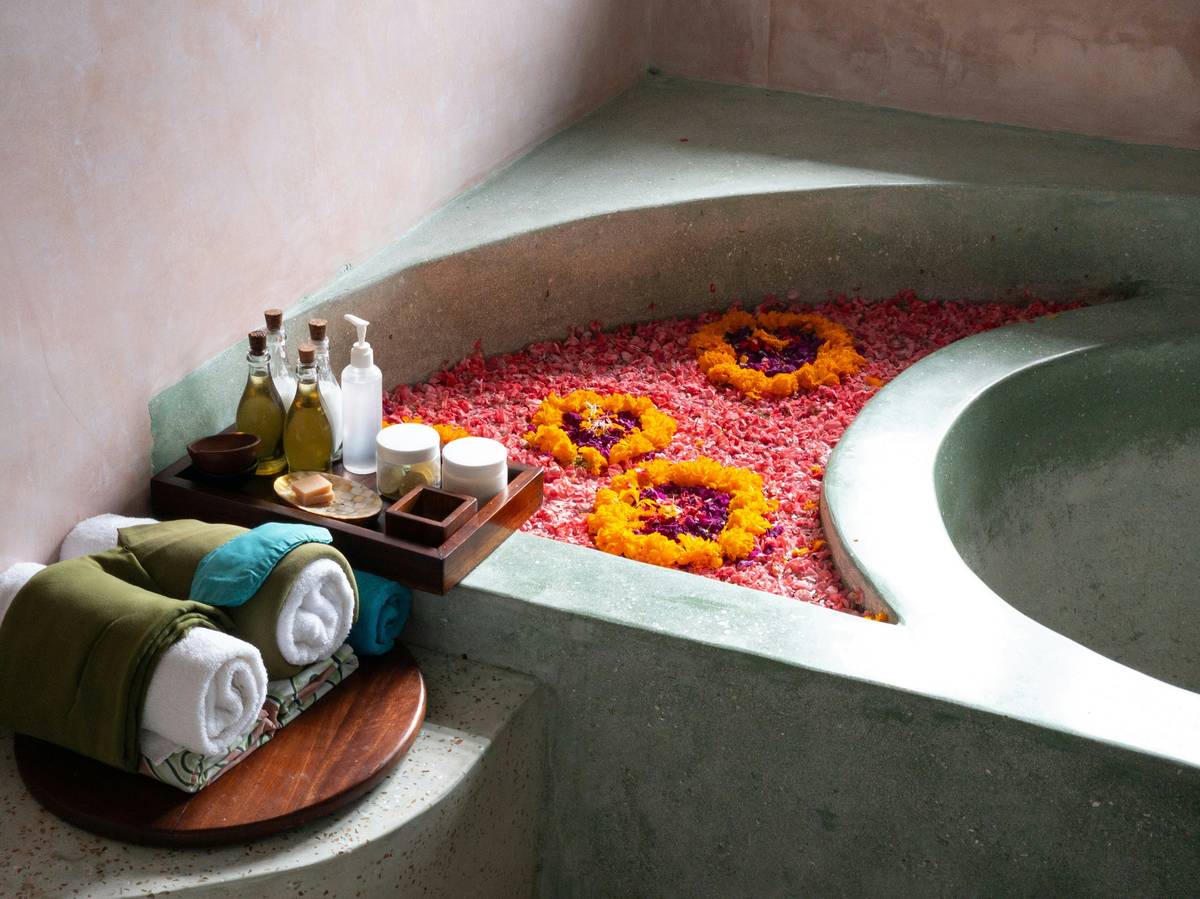
Timing Is Everything
Shower oils work best at the *end* of your rinse cycle—when pores are open but cleansing agents are gone. For baths, soak 15–20 minutes max. Beyond that, you risk dehydration and skin maceration.
| Application Method | Oil Needed | Emulsifier Required? | Best For |
|---|---|---|---|
| Full Bath | 1–2 tbsp | Yes (milk/honey) | Deep relaxation, muscle recovery |
| Shower Oil | 1 tsp | No (applied directly to damp skin) | Daily hydration, quick stress relief |
| Foot Soak | 1/2 tbsp | Optional (Epsom salt helps) | Targeted relief, insomnia |
The Industry Secret: Most Essential Oils Lose Potency Before They Hit Your Tub
Here’s what no label tells you: citrus oils (like sweet orange or grapefruit) oxidize within 6 months of opening. Lavender? Up to 4 years—if stored correctly. But most retailers keep bottles under bright lights, near windows, or in warm warehouses. By the time you buy that “premium” bottle, its linalool content—the compound that actually calms your amygdala—may be halved.
The fix? Buy small batches from dark-glass suppliers. Store in your fridge. And blend only what you’ll use in 3 months. Better yet: opt for pre-blended formulas with nitrogen-flushed packaging—like those used in clinical aromatherapy settings. Shelf life doubles. Efficacy triples.
Frequently Asked Questions
Can I use aromatherapy bath and shower oil daily?
Yes—but rotate blends. Daily lavender may desensitize receptors. Try alternating with vetiver (grounding) or bergamot (uplifting) to maintain neurochemical responsiveness.
Is it safe for sensitive skin?
Only if properly diluted. Never exceed 2% essential oil concentration (12 drops per ounce of carrier). Patch-test first. Chamomile or calendula-infused bases lower irritation risk significantly.
Why does my oil leave a ring around the tub?
That’s unemulsified oil clinging to porcelain. Always mix your oil with a dispersant before adding to water—otherwise, you’re cleaning up more than just stress.